
Preschool Program
Bigger Classroom, Bigger Possibilities
Our Preschool Program serves children ages 3 to 4.5 who are fully potty trained. This is where curiosity gets room to grow. Preschoolers move into bigger classrooms with more children, more materials, and more independence than they've had before. They build real friendships, ask real questions, and start developing the focus and self-regulation that carry them into kindergarten and beyond.

Curriculum Areas
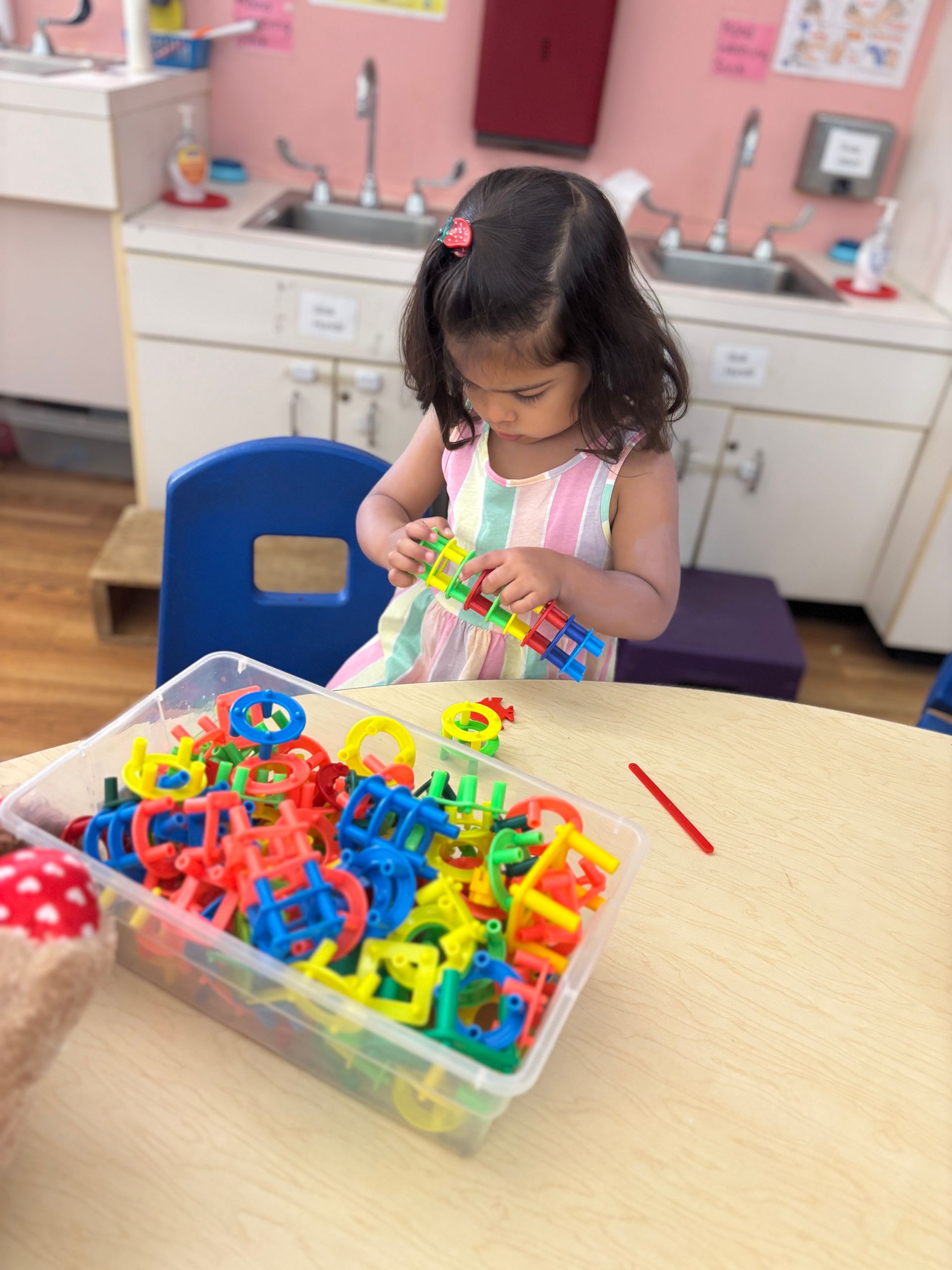
We use the Experience Preschool Curriculum, a research based, nationally recognized program built around your child's growing curiosity. A child in the Preschool Program will:
Build friendship skills and learn to express their feelings.
Have access to specialized books, science tools, art materials, games, and math manipulatives that encourage problem solving and creative thinking.
Use pretend roles and situations to build interaction and role play
Every morning at Circle Time, teachers introduce a new topic tied to that month's thematic study. There are 20 topics each month, and children explore them through hands on projects, art, and music. Through this play, children build 35 foundational skills across 7 developmental domains: social emotional, physical, language and literacy, math, science, social studies, and creative development. Our classrooms are organized in learning centers, with materials for each discipline grouped together to encourage skill acquisition through diverse experiences.
Goals for Preschoolers
Curiosity and Exploration: We give children daily opportunities to investigate, question, and create through themed projects that change every month.
Healthy Body
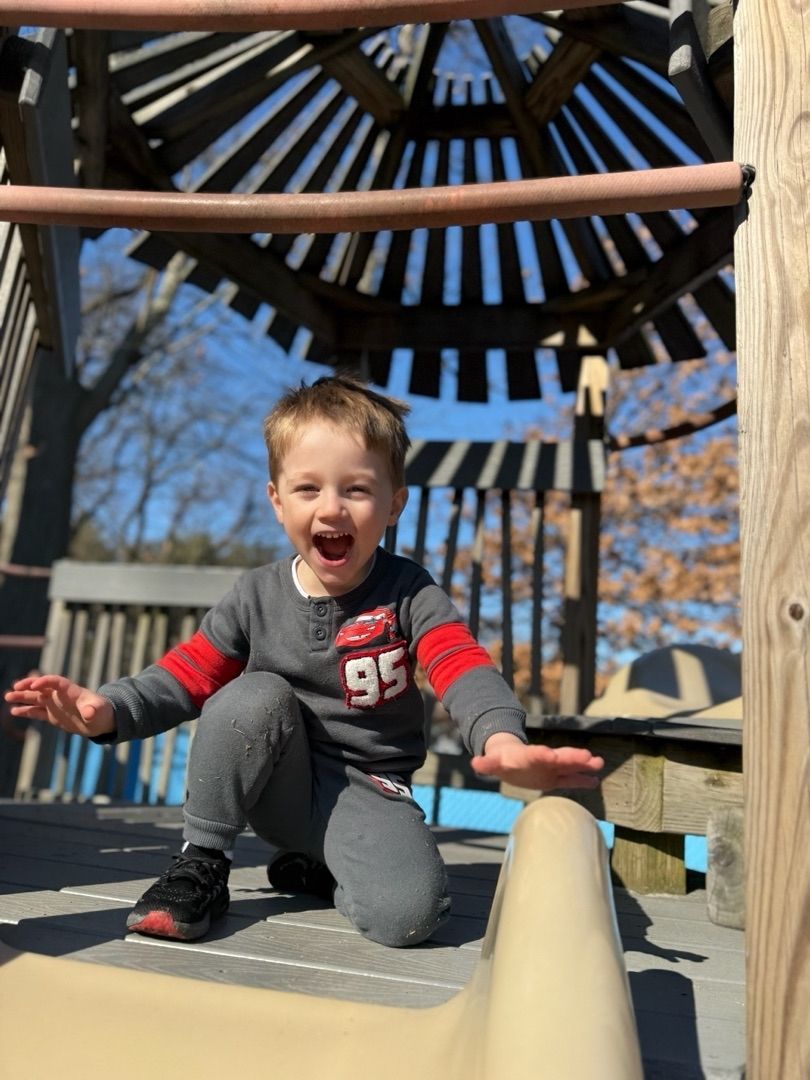
We support physical growth and coordination through active play, especially in the playground which features a playset, mud kitchen, tricycles, sandbox, sports field and play car.
Cooperative Relationships
We practice sharing, collaboration, and respect for others, helping children build the social foundation for group learning.
Confidence and Self-Image
We recognize each child's talents and accomplishments, building the pride and positive self-image that shapes how they approach school and challenges ahead.
Family, Culture, and Community
We grow appreciation for culture and the arts through family involvement and shared experiences across our diverse school community.
Positive Attitude Towards School
As children step closer to the transition to Kindergarten, we focus heavily on keeping them excited and engaged in learning so they can persevere through challenges and stay excited about gaining knowledge and skills.
Preschool Skills Through Play
Language and Literacy
Preschoolers build listening, communication, and early reading skills, including phonological awareness, alphabetic knowledge, and comprehension.
Math and Reasoning
Introduction to number awareness, pattern recognition and early math skills like counting through hands-on experiences with manipulatives.
Science
Our science center allows for early exploration of STEM concepts by handling magnets, play animals, utilizing scientific tools and discussing their observations.
Social Studies
Children learn about the world around them, starting with exploration of our community and moving towards understanding diversity, culture and societal expectations.
Creative Arts
Exploring creativity through visual arts, music, pretend play, themed projects and a focus on process versus product.
Social Emotional Development
Children learn how to self regulate by developing healthy coping skills, recognizing and naming emotions, communicating their needs and building confidence in their abilities.
Frequently Asked Questions
What ages are in Preschool?
Our Preschool Program is for children ages 3 to 4.5 who are fully potty trained.
What curriculum do you use?
How does the monthly thematic study work?
Each month brings 20 new topics, introduced daily at Circle Time and explored through hands on projects, art, and music throughout the day.
How do teachers track my child's progress?
The Experience Preschool Curriculum includes an embedded assessment tool. Teachers use it to individualize learning and follow each child's unique pace. Observations are logged periodically and families receive a full report of milestones and benchmarks twice a year.
Are there enrichment opportunities?
Yes! Preschoolers take part in soccer, animal encounters, fossils, gardening, field trips, visiting the book fair, and water play, offered seasonally throughout the year.
What is the move up ceremony?
Each June, Preschool holds a move up ceremony for children transitioning into K Prep. Families participate, and children receive a certificate to mark the milestone.
After Preschool, where does my child go?
Children transition into our K Prep Program unless they are moving directly into Kindergarten early.
What does a typical day in the Preschool Room look like?
6:30-9 Arrival and Free Choice
9-9:30 Breakfast
9:30-12 Circle Time, Outdoor Play, and Center Time
12-12:30 Lunch
1-3 Rest Time
3-3:30 Wake up transition
3:30 Afternoon Snack
3:30-5 Outdoor Play and Center time
5-6 Free play and dismissal
What if my child has grown out of naps?
Children are not required to sleep. Rest time is a 2-hour window to relax and reset. The ones who don’t fall asleep should still remain on their cot and can engage in a quiet activity like reading, coloring or puzzles.
What are the ratios and classroom sizes?
Preschool classrooms house up to 18 children in a 10:1 ratio.
If my child is fully potty trained, but has a speech delay, can they still go to Preschool?
Yes. Any developmental struggles will be supported and accommodated. Our center also partners with the Milford Public Schools to transport Milford residents to one of the elementary schools for speech and physical therapy.